May 26, 2026
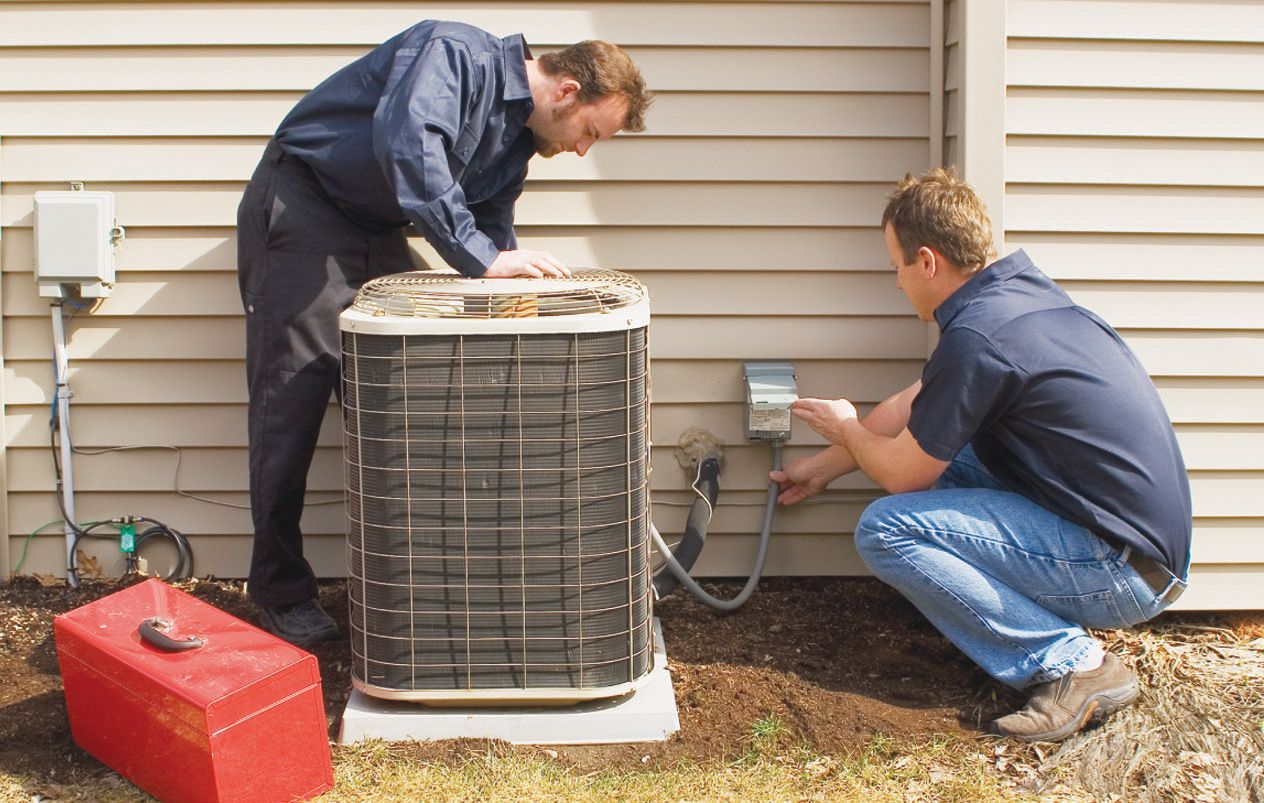
Upgrading or repairing a home heating and cooling system requires comprehensive research and deliberate consideration. A climate control setup represents a major household investment affecting daily comfort. Finding a skilled professional ensures the equipment achieves optimal function for years into the future. Homeowners must conduct thorough interviews to select the most qualified candidate. Asking the correct questions eliminates poor choices and highlights the best experts available in your area. Preparing for these conversations puts you in control of the consultation process and sets clear expectations.
A systematic approach to the interview process yields superior results. Every homeowner needs a comprehensive list of inquiries before meeting with any HVAC contractor. These targeted questions reveal a candidate's expertise, work ethic, and commitment to quality. Gathering detailed answers protects your property and your budget from unnecessary risks. The following sections outline essential topics to cover during your consultations to ensure a successful home improvement project.
What to Ask About Licensing and Experience
Proper credentials separate amateurs from genuine experts in the heating and cooling industry. Every state requires specific licenses for professionals handling refrigerants and electrical components. Requesting physical proof of these credentials establishes a baseline of competence. A legitimate professional carries updated documentation and welcomes inquiries regarding their legal standing. You must verify these details through state licensing boards to confirm the status remains active and in good standing.
Insurance coverage is another non-negotiable requirement for anyone working on your property. You must verify liability insurance as well as workers' compensation coverage before any work begins. Liability insurance protects your home from accidental damage during installation or repair tasks. Workers' compensation protects you from financial ruin if a technician suffers an injury on your premises. Insist on seeing the certificates of insurance to guarantee your protection.
Experience equals formal paperwork in importance. An established HVAC contractor possesses a track record of successful installations and repairs in your community. Inquire about their history working with your specific type of system. Familiarity with your equipment brand prevents installation errors and ensures optimal performance. Asking about their background provides insight into their ability to handle complex diagnostic challenges and unexpected complications.
Requesting references provides insight into real-world customer satisfaction. Past clients offer invaluable perspectives regarding punctuality, cleanliness, and communication habits. A reputable company is happy to supply contact information for recent customers. Following up with these references paints a clear picture of what you can expect during your project. Speaking with previous clients reveals the true character and reliability of the company you plan to hire.
What to Ask About Equipment and Efficiency
Heating and cooling technology evolves at a rapid pace. System efficiency dictates your future energy bills and overall home comfort. Ask your candidate to explain the energy ratings of their proposed equipment. Understanding terms like SEER and AFUE helps you make informed decisions regarding energy consumption. An expert translates technical jargon into plain language, ensuring you comprehend the benefits of high-efficiency systems.
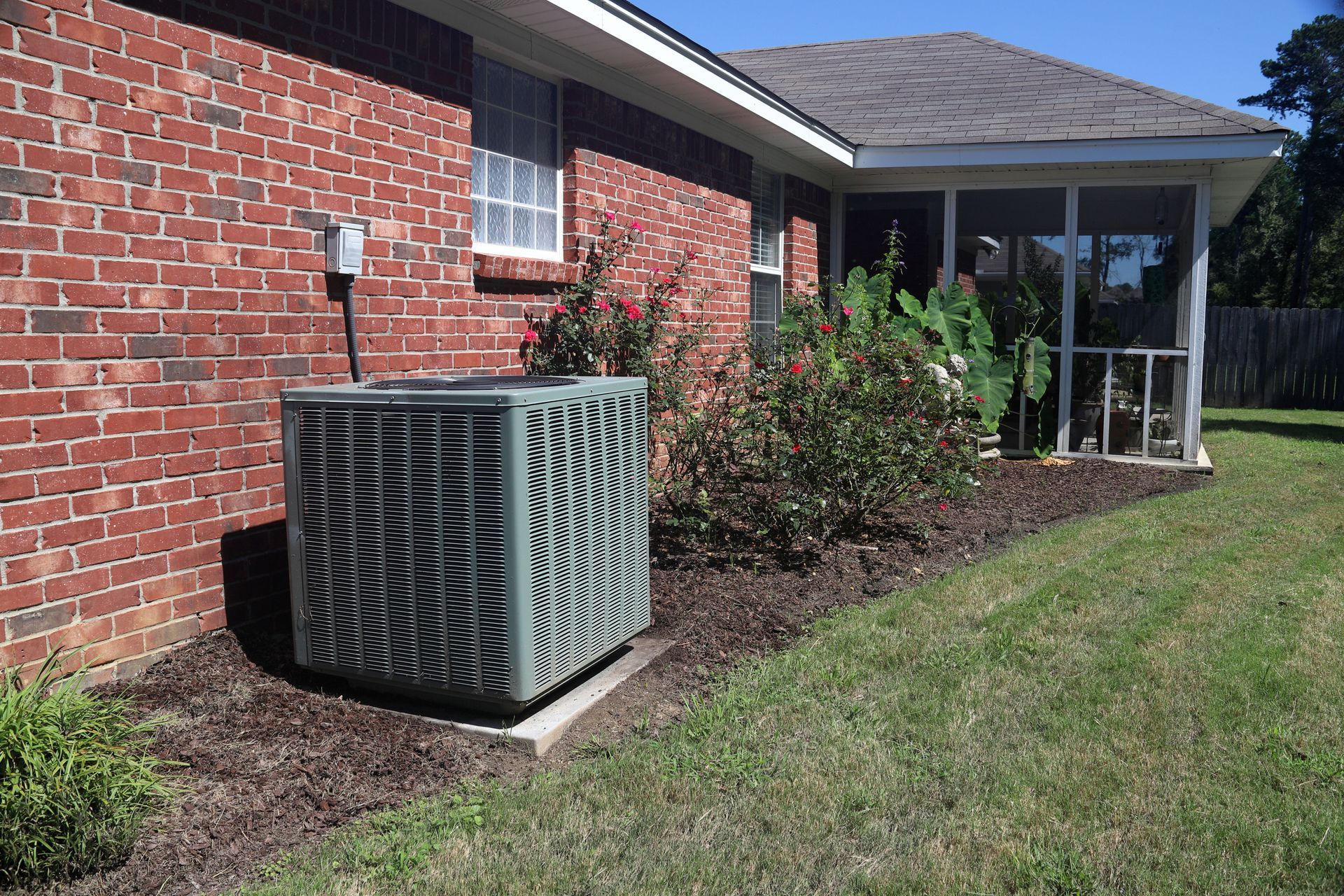
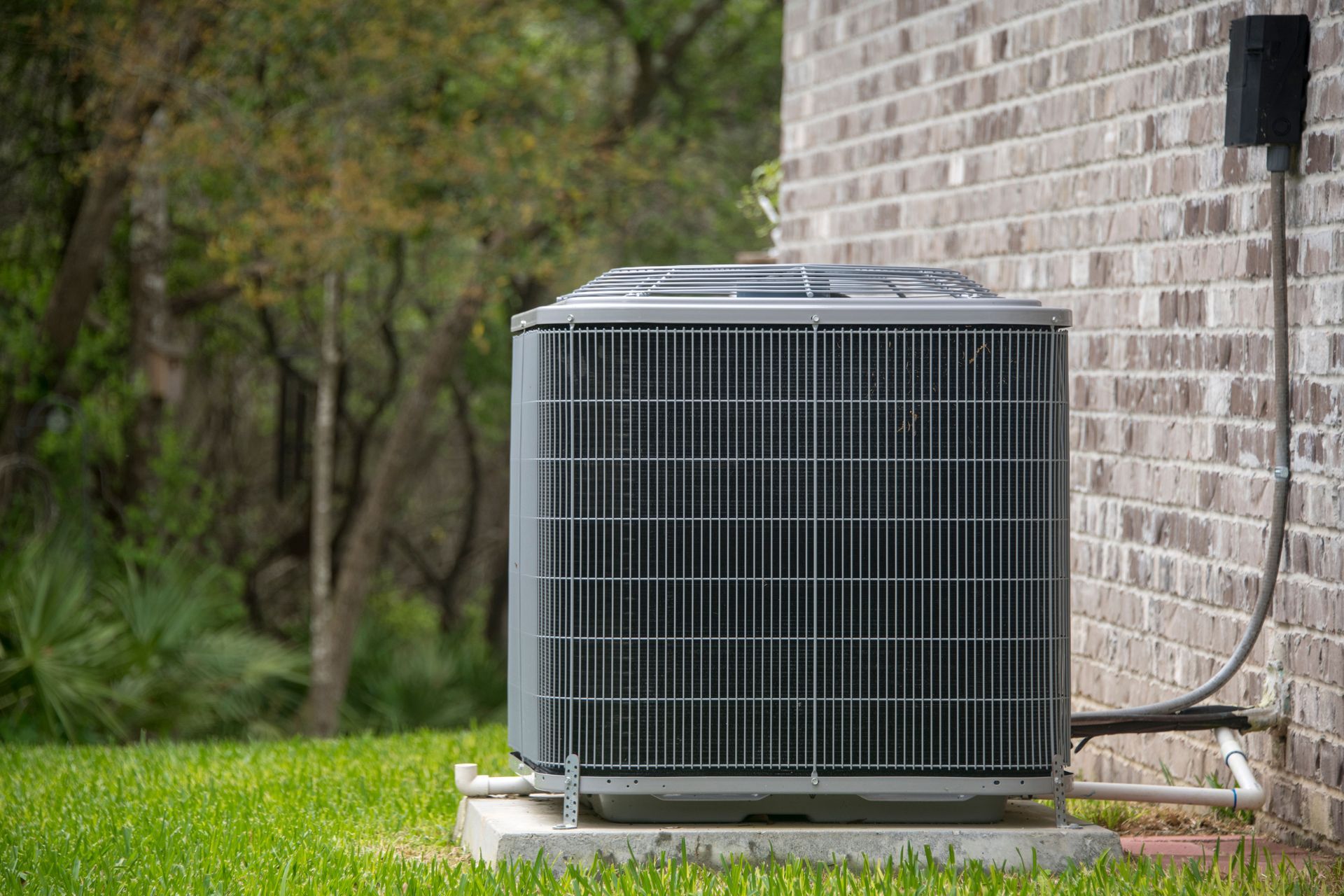
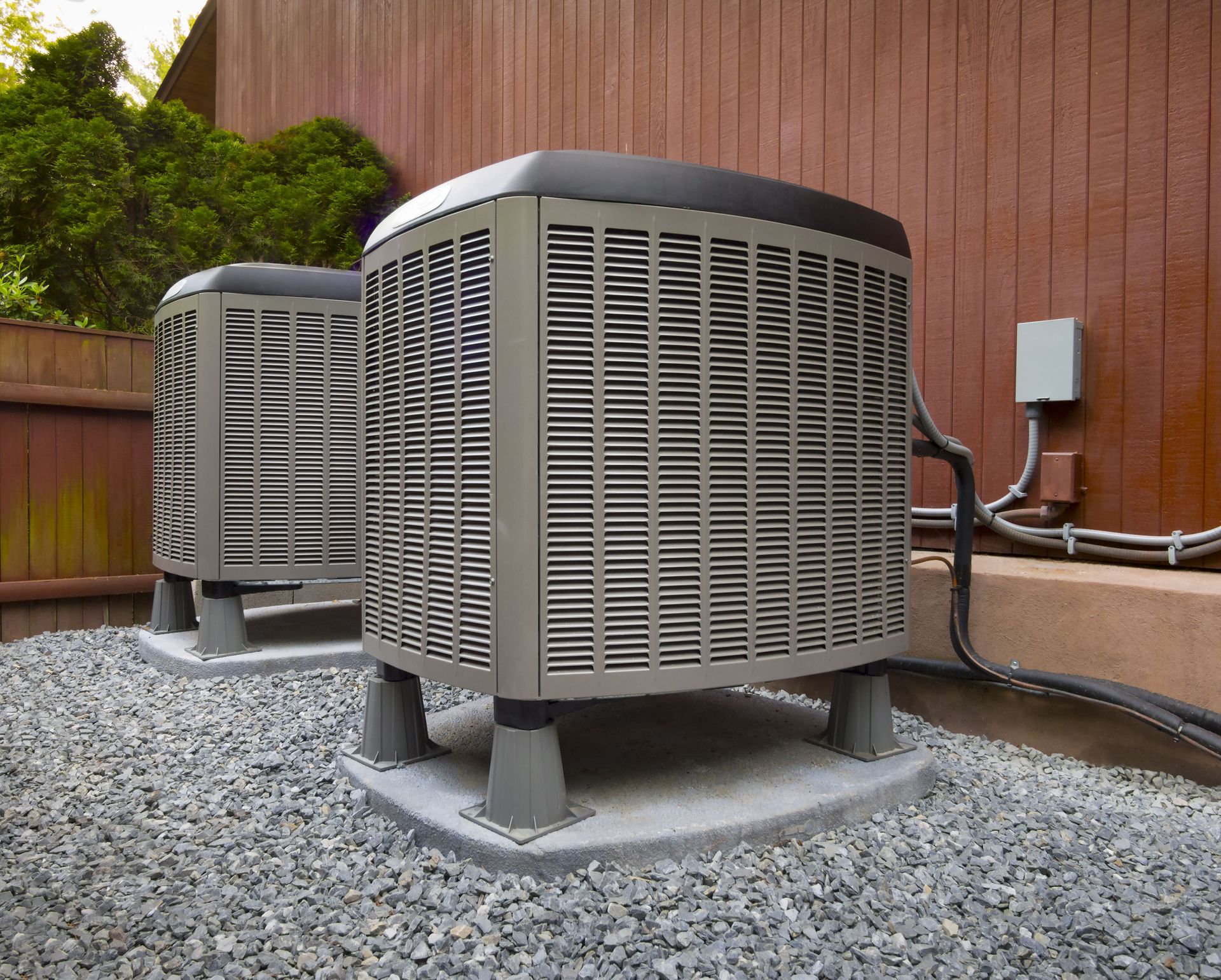
Your specific climate and home layout dictate the ideal equipment choice. Discuss alternatives to traditional air conditioners and furnaces. For instance, you might ask about electric alternatives. According to the U.S. Department of Energy, modern heat pumps can reduce your electricity use by up to 75% in contrast to electric resistance heating. Exploring these alternatives with your professional leads to better environmental impact and lower utility costs.
Proper system sizing remains the most critical factor for indoor comfort. An oversized unit cycles on and off in rapid succession, failing to remove interior humidity. An undersized unit runs without stopping, straining the components and inflating utility bills. Ask the HVAC contractor how they calculate the load requirements for your home. The answer reveals their commitment to precision and optimal system performance.
A thorough manual load calculation considers windows, insulation, and square footage. Guessing the appropriate size based on the old unit leads to glaring inefficiencies. Professionals use industry-standard software to determine the precise capacity required for your living space. Insist on seeing these calculations before agreeing to any equipment purchases. Proper sizing guarantees your new system maintains the desired temperature without excessive wear and tear.
What to Ask About Warranties and Maintenance
New installations come with specific manufacturer warranties covering the internal components. Understanding the length and limitations of these warranties prevents future surprises. Ask about the requirements to keep the manufacturer's warranty valid over time. Registration and regular professional service act as prerequisites for ongoing coverage. Failing to understand these terms leaves you vulnerable to expensive repair bills in the future.
Equipment warranties cover parts, yet exclude labor costs. You must inquire about the specific labor warranty provided by the installation company. A confident HVAC contractor guarantees their workmanship for a significant period. A robust labor warranty demonstrates their commitment to quality installation practices. Clarifying these details protects you from paying labor fees for replacing defective parts after installation.
Ongoing maintenance keeps your new system running at peak performance. Ask the professional if they offer ongoing service agreements. Preventive maintenance plans catch small issues before they become major breakdowns. Regular tune-ups extend the lifespan of the equipment and maintain energy efficiency. Securing a maintenance plan at the time of installation ensures your system receives the attention it needs.
Clarify what these maintenance agreements include. Determine if the plan covers priority scheduling or discounts on future repairs. Understanding the cost and benefits of a service contract helps you budget for long-term ownership. Consistent upkeep remains the best way to protect your investment. Discussing maintenance during the initial interview establishes a foundation for a long-term professional relationship.
What to Ask About Timelines and Costs
Clear communication regarding the project schedule minimizes disruptions to your daily routine. Ask for an estimated start date and a projected completion timeline. Complex installations require several days, while straightforward replacements might conclude in a brief afternoon. Knowing the schedule helps you arrange your household activities around work. A firm timeline demonstrates respect for your schedule and your home.
Unexpected delays happen, but professionals manage them with clear protocols. Inquire about how the company handles schedule changes due to weather or equipment availability. A dependable HVAC contractor communicates delays without hesitation and reschedules without hassle. Establishing communication expectations in advance prevents frustration during the project. Knowing how the company handles adversity gives you confidence in its management skills.
Financial transparency separates reliable companies from questionable operations. Request a detailed, itemized estimate outlining all costs associated with the project. The quote must separate the cost of equipment, labor, permits, and miscellaneous materials. Vague estimates tend to lead to hidden fees and budget overruns at the end of the job. Insisting on an itemized breakdown ensures you understand what you are paying for.
Payment terms require clarification before any work begins. Ask about deposit requirements and the schedule for final payments. Reputable companies avoid demanding full payment in advance. Discuss available financing options if you prefer to spread out the financial impact of the installation. Clear financial agreements prevent misunderstandings and ensure a smooth transaction upon project completion.
Upgrading your heating and cooling system represents a substantial commitment of time and resources. Selecting the right professional ensures the project proceeds without complications. Conducting thorough interviews empowers you to make an educated choice. The right candidate answers your inquiries with patience and clarity. Taking the time to ask pertinent questions safeguards your home and guarantees optimal comfort for years.
Taking an active role in the selection process guarantees better results. A qualified HVAC contractor appreciates an informed homeowner who asks detailed questions. Your diligence leads to improved home comfort, lower energy bills, and peace of mind. Prepare your questions, schedule your consultations, and secure the best expert for your home. The effort you invest in the interview process pays dividends in comfort and savings. Contact Community II Heating & Air Conditioning when you need an experienced HVAC contractor for your next home project. Our team looks forward to answering all your questions and delivering excellent service.